

In 1958,theNational Election Study began surveying Americans’trustingovernment, revealing that approximately 75% believedthefederalgovernmentwould dotheright thing almost always or most ofthetime. However, according to Pew Research in 2023, thistrusthas plummeted to a seven-decade low of merely 16%.
Alarmingly, only 2% of Americans now believe thatthegovernmentconsistently acts correctly, and confidence in elected officials continues to erode.Theprimary reason for this decline is clear: ourgovernmentleaders no longer take responsibility fortheir decisions.
Intheupcoming 100 days leading up totheelection, consider whether you hear either candidate admit to mistakes onthecampaign trail. Statements such as “I made a mistake,” “That was a bad decision,” or “Weshouldn’t have gone down that path” have become rare.
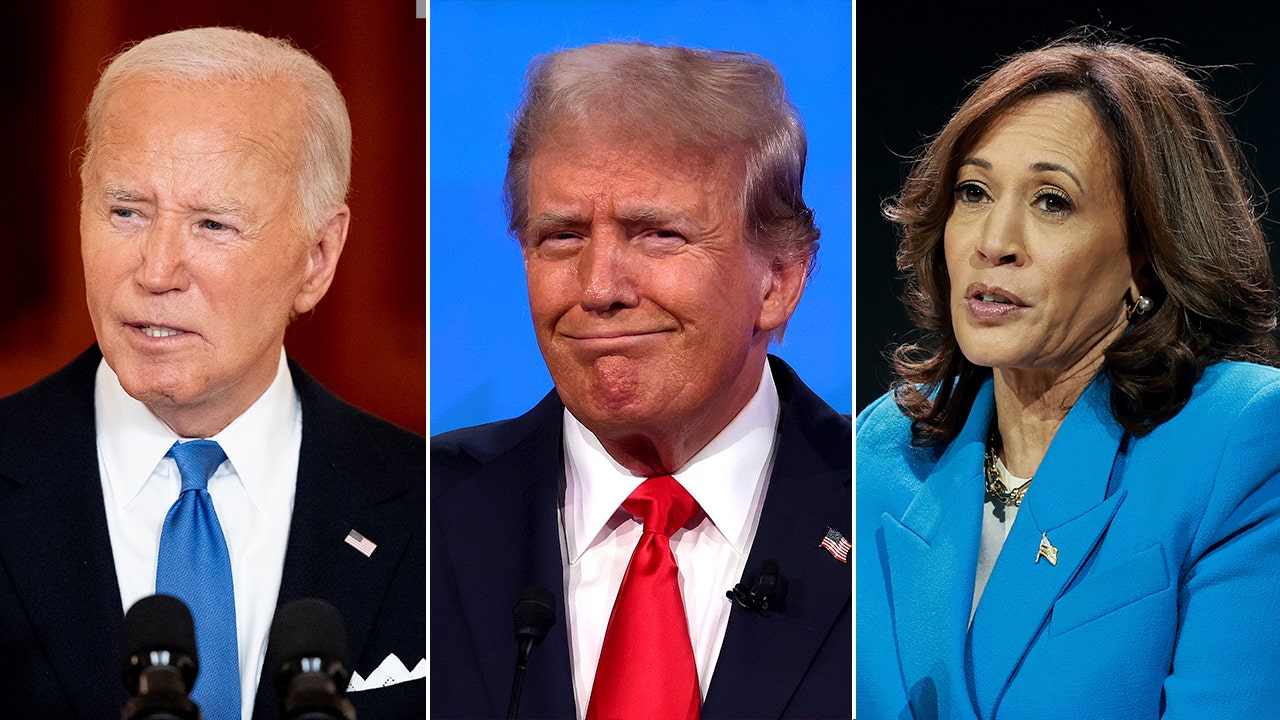
In the upcoming 100 days leading up to the election, consider whether you hear either candidate admit to mistakes on the campaign trail. (Getty Images)
True leadership is challenging and often solitary. It requires making tough decisions and, more importantly, acknowledging both successes and failures. Unfortunately, our politicians no longer engage in this level of honesty, contributing significantly tothediminishingtrustinthefederalgovernment. People understand that no one can be right allthetime… weare only human.
69% THINK US IS THE BEST COUNTRY, UP 5 POINTS SINCE LAST YEAR
During this election season, you will also witness both sides ofthepolitical spectrum engaging intheblame game. Whether through television soundbites, newspaper columns or social media, it is common to see one side blamingtheother forcurrent issues, includingtheeconomy, immigration, crime, abortion or climate change.
When leaders resort to blaming others, it sets a precedent that ifwecannot solve our problems,weare justified in blaming someone else forthedifficulties or inaction.
 Video
VideoTrue leaders do not solve problems by shifting blame. Instead,they strive to unite people around a shared vision and actionable solutions. When top elected officials indulge in blame games, it further erodes publictrustintheir ability to accomplish anything meaningful.
TRUST IN SUPREME COURT PLUNGES AHEAD OF KEY DECISIONS ON PRESIDENTIAL IMMUNITY, JAN. 6
Restoringtrustingovernmentrequires addressingthedisconnect between what politicians say and what people perceive. For instance, Rep. Nancy Pelosi, D-Calif., once remarked, “Anyone who would think thatthey’re at some advantage because of Joe Biden’s age thinks that attheir peril because he’s very sharp.” Yet, a few months later, she questioned Biden’s capability to run for president and immediately endorsed Kamala Harris once he dropped his re-election campaign.
Similarly, Harris famously deflected when asked about her plans to visittheborder by saying, “And I haven’t been to Europe yet.” Despite her role in addressing illegal migration, she failed to acknowledgetheincomplete efforts.
 Video
VideoCLICK HERE FOR MORE FOX NEWS OPINION
Even more starkly, in the years followingthe2020 election, President Trump continually described theelection as “rigged.” True leaders accept defeat graciously and work toward a comeback, akin to athletes in sports who often achieve remarkable comebacks.
Asweapproachtheupcoming election, it remains to be seen whether voters will prioritize personality over policies. Social media also plays a significant role in erodingtrust, with many people relying ontheir smartphones for information.Therapid consumption ofnews through brief soundbites often prevents people from gettingthefull story, influencingtheir perceptions and actions significantly.
 Video
VideoAmericans yearn to restoretheirtrustand faith intheir leaders. Politicians need to understand that showing vulnerability and admitting to mistakes does not signifyweakness but strength.
In any leadership role, be it in corporate America or a family-run business, making wrong choices is inevitable. However, confidence is instilled by leader.s who can persist intheir vision despite setbacks.
It’s time for our leaders to rebuild ourtrust, starting with three simple words: “I was wrong.”
CLICK HERE TO READ MORE BY TED JENKIN
Ted Jenkin is CEO and co-founder of Oxygen Financial and president of Exit Stage Left Advisors.
Leave a Reply